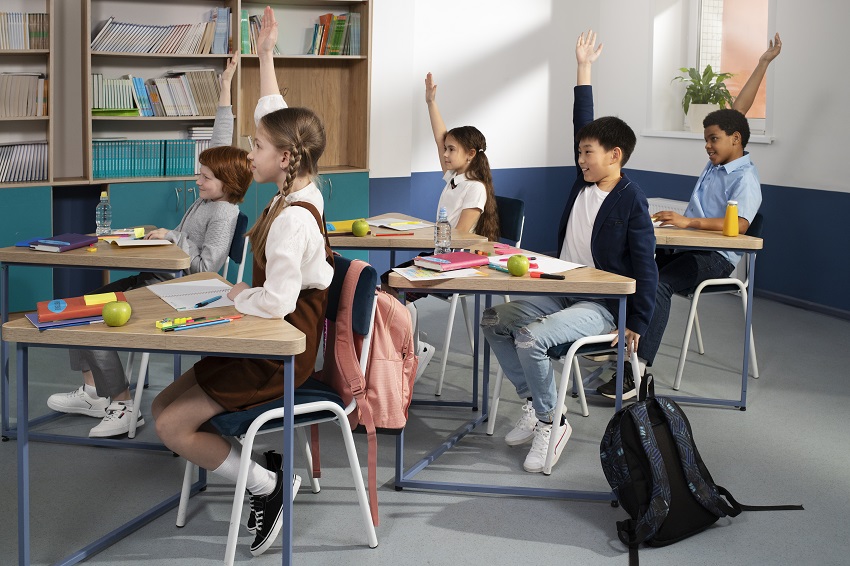
Choosing an International School for a child should be decision which goes well beyond academic performance. It’s about matching a family’s values with an institution’s educational philosophy and environment. International schools are a potent option to cater for the global landscape of education and parents must seek some important markers that signify quality, to assure their international school experience provides a solid foundation that is balanced and future ready.
Choosing the right academic framework
Curriculums are the academic backbone of any international school. Most families will choose between the International Baccalaureate (IB), the British National Curriculum or an American-based system. The IB is renowned for promoting critical thinking and global awareness, whereas the British system provides a more rigid framework to IGCSEs and A-level specializations. When choosing an international school it is important to assess which framework best suits the student in preparing them for their chosen destination university, and matches their learning style.
Placing a premium on faculty expertise and school culture
The heart of an international school is its teachers. Responsible institutions recruit and retain outstanding diverse faculty who go away to discover the world (the global classroom) then come back home to share their insights. Schools should not only have the right credentials for teaching, but also culture needs to be inclusive and safe. Often, one can tell that an international school has a positive environment in the way its students interact and how administration communicates with parents. A healthy community vibe means students are challenged academically, but also supported emotionally.
Examining facilities and extracurricular depth
Indeed, up-to-date facilities are a hallmark of a great international school, but it is how these venues are utilized that makes the difference in learning. Science labs, creative arts studios and athletic complexes should bustle with student participation. In addition to needing a strong extracurricular program to sharpen leadership and soft skills. Whether it be competitive sports, robotics or debate with other schools, a good school will give students the opportunity to find and nurture their passions outside the standardised curriculum.
Accreditation and credentials verification
When filtering schools, the long-term objective of an international school is that (beyond brand) to provide a good education. But, accreditation from well-known global bodies like the Council of International Schools (CIS) provides that institution meets a long list of requirements in regard to safety and good practice issues. And university matriculation data allows parents to see how well graduates are placed in top-grade universities around the world. In the end, the best international school will provide a combination of academic challenge, a supportive environment and a clear path forward.